
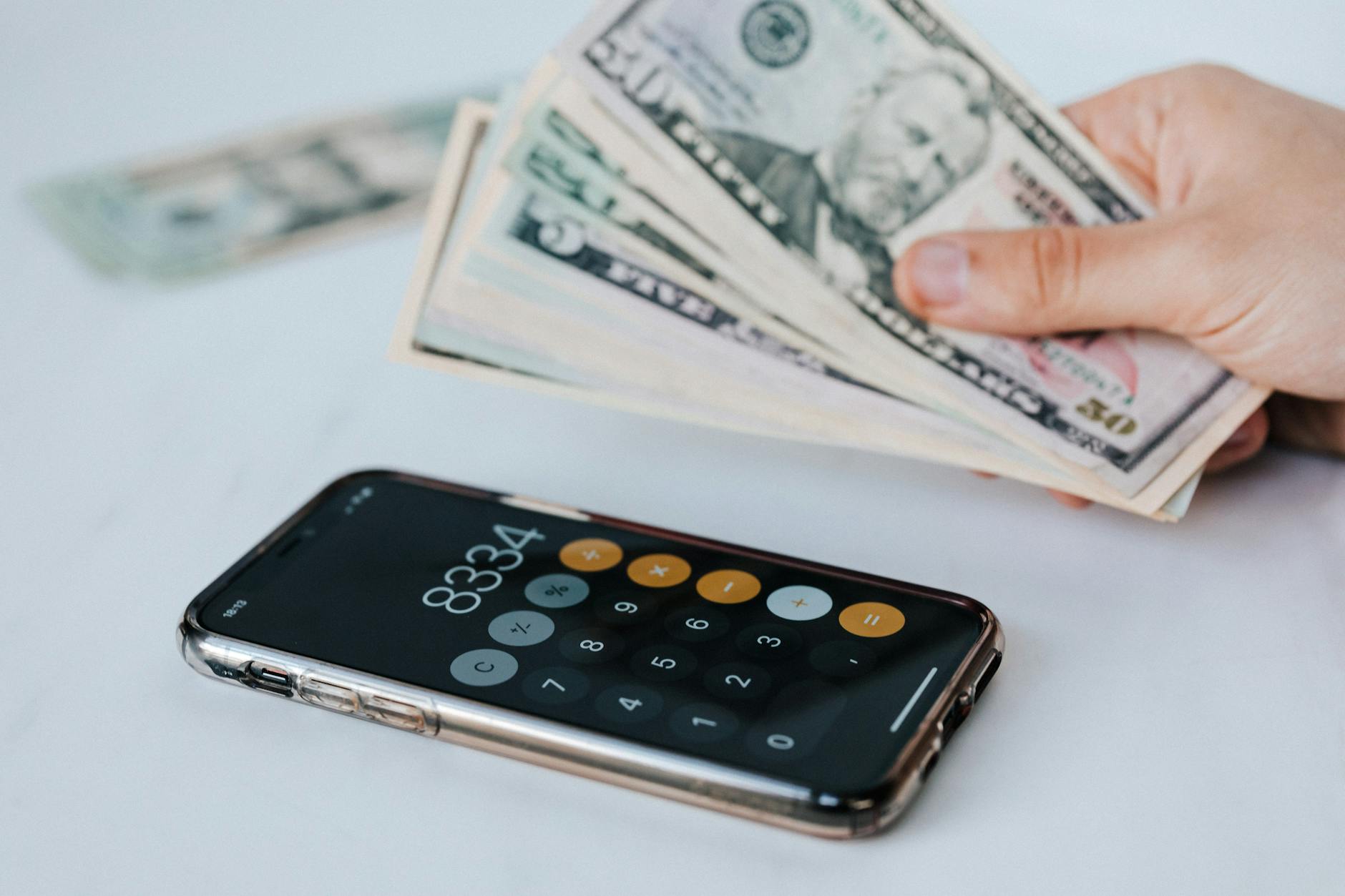
Budgeting Apps Ranked — Let’s be honest: most budgeting apps promise the world but deliver spreadsheet anxiety. We tested the top contenders to see which ones actually stick, which ones drain your motivation, and which ones genuinely help you keep more cash in your pocket. Whether you’re a detail-obsessed tracker or someone who just wants the basics, here’s what really works.
Table of Contents
- 1. YNAB (You Need A Budget) — Best for Control Freaks: Budgeting Apps Ranked
- 2. Mint (RIP) Alternative: EveryDollar — Best Free Option
- 3. Rocket Money — Best for Cutting Subscriptions
- 4. Empower (Personal Capital) — Best for Investors
- 5. GoodBudget — Best for Couples & Families
- The Real Money Hack: The 50/30/20 Financial Diet
1. YNAB (You Need A Budget) — Best for Control Freaks: Budgeting Apps Ranked
YNAB forces you to assign every dollar a job before you spend it. Yes, it costs $15/month, but users report saving $6,000+ annually by being intentional. Not for casual budgeters—this demands discipline and weekly check-ins.
2. Mint (RIP) Alternative: EveryDollar — Best Free Option
EveryDollar mimics YNAB’s zero-based budgeting without the subscription price (free version). Syncs with your bank, categorizes automatically, and shows exactly where your money vanishes. Perfect for starting your financial diet without commitment.
3. Rocket Money — Best for Cutting Subscriptions
Found $200+ in forgotten subscriptions? Rocket Money specializes in this. It’ll negotiate bills, cancel services, and track spending by category. Great for people who want simplicity plus actionable wins. This is especially relevant for those interested in budgeting apps ranked.
4. Empower (Personal Capital) — Best for Investors
If you’re building wealth beyond basic budgeting, Empower tracks investments, retirement accounts, and net worth in one dashboard. Free version is solid; premium adds financial advisor access.
5. GoodBudget — Best for Couples & Families
Digital version of the envelope method. Share budgets with partners, sync across devices, and make spending visual. Eliminates “we talked about this” arguments by keeping everyone aligned.
The Real Money Hack: The 50/30/20 Financial Diet
Here’s what actually works without an app: Allocate 50% of after-tax income to needs (rent, groceries, utilities), 30% to wants (entertainment, dining out), and 20% to debt repayment or savings. This framework wins because it’s simple, flexible, and doesn’t require daily obsessing. Pair it with one good app and you’ve got a system that sticks. This is especially relevant for those interested in budgeting apps ranked.
For more information, see Investopedia.
Bonus: Grocery Store Wins That Actually Add Up
Before downloading another app, try this: shop with a list, buy store brands (identical products, 30% cheaper), use digital coupons before checkout, and meal-plan for one week. These alone save $50-100 monthly—no subscription required.
Explore more on Finance – Scope Digest and browse our Budgeting section.
Bottom line: The best budgeting app is the one you’ll actually use. Start free, go premium only if it saves you more than it costs, and remember—no app replaces spending less than you earn. That’s the real financial diet.
Photo by www.kaboompics.com on Pexels
