
Financial Advisor Diy — You’ve finally got some money to invest. Now comes the big question: hire a professional or go it alone? We’re breaking down both sides so you can make the right call for your wallet.
Table of Contents
The Financial Advisor Advantage: Financial Advisor Diy
A good advisor brings expertise, behavioral coaching, and personalized strategies tailored to your goals. They handle tax-loss harvesting, rebalancing, and help you avoid emotional decisions during market crashes. The catch? You’ll pay 0.5% to 2%+ of your assets annually—that’s real money over decades. For example, 1% on a $100,000 portfolio costs $1,000/year.
Best for: Complex situations (inheritance, business sale, multiple income streams), high net worth individuals, or anyone who loses sleep over market volatility.
The DIY Investing Case
Robo-advisors and low-cost index funds have democratized investing. Vanguard, Fidelity, and Schwab offer commission-free trading and automatic rebalancing at fees as low as 0.03%. A simple portfolio of index funds can match professional performance 80% of the time—without the hefty fees.
Best for: Self-directed learners, young investors building wealth, and anyone comfortable with basic financial literacy.
The Real Cost Comparison
Let’s say you invest $50,000 and earn 7% annually over 20 years: This is especially relevant for those interested in financial advisor diy.
- With 1.5% advisor fee: ~$145,000
- With 0.15% robo-advisor: ~$178,000
- Pure DIY (0.03%): ~$180,000
That difference? $35,000+ stays in your pocket with DIY investing.
The Hybrid Sweet Spot
You don’t have to choose all-or-nothing. Fee-only advisors charge hourly rates ($150-$400) or flat fees for specific projects—perfect for getting a financial plan reviewed without ongoing charges. Then manage your portfolio yourself using low-cost index funds.
Your Decision Framework
Hire an advisor if: Your net worth exceeds $250K+, you have complex tax situations, or behavioral discipline isn’t your strength.
Go DIY if: You have $50K-$250K to invest, you’re willing to learn basics, and you can stay calm during downturns.
Go hybrid if: You want expert guidance without paying ongoing management fees.
For more information, see Investopedia. This is especially relevant for those interested in financial advisor diy.
The Bottom Line
The best financial advisor is the one you’ll actually stick with—whether that’s a real person or an automated system. Start by running the numbers for your specific situation. Most importantly, start investing now, even if your strategy isn’t perfect. Time in the market beats timing the market every single time.
Explore more on Finance – Scope Digest and browse our Investing Basics section.
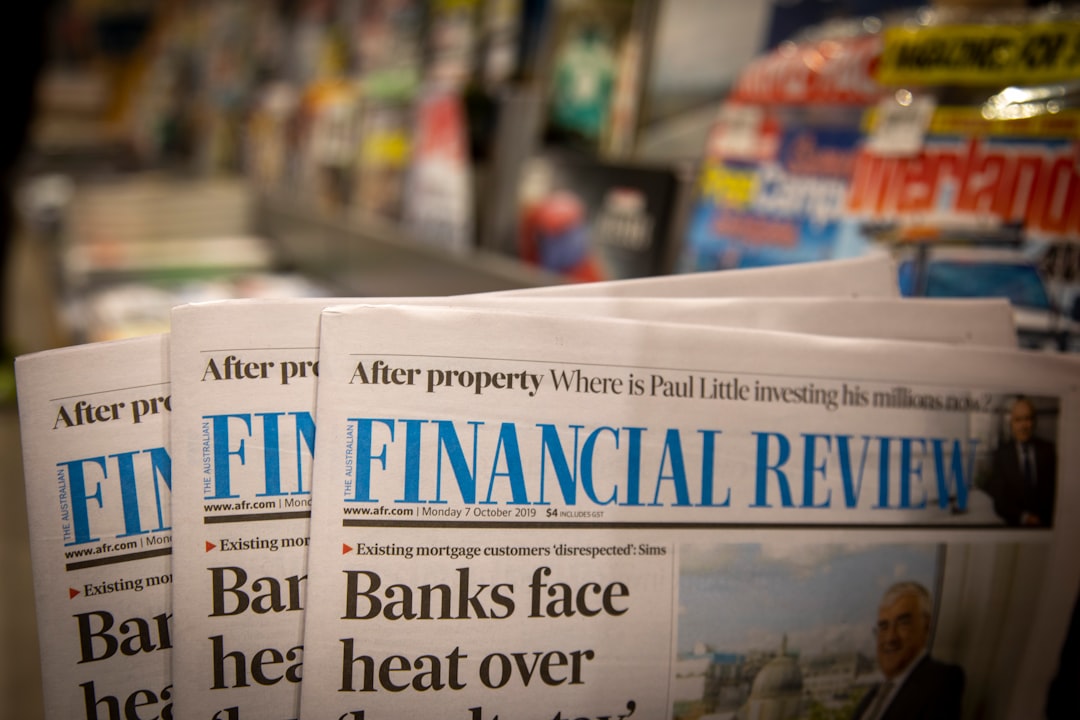
Photo by Marcus Reubenstein on Unsplash
