
Money Moves Actually — Your finances don’t have to feel overwhelming. Whether you’re saving for a home, building an emergency fund, or finally getting your spending under control, these five proven strategies will help you take real action—not just read another listicle and forget about it. Let’s dive into practical moves that work for people everywhere, from London to Lagos to Los Angeles.
Table of Contents
- 1. Master the Bucket Savings System for Real Results: Money Moves Actually
- 2. Adopt a Financial Diet—Think of It Like Calorie Counting for Money
- 3. Understand 2026 Home Affordability Before You Start Looking
- 4. Build Your Emergency Fund First—Everything Else Comes Second
- 5. Automate Your Money So You Never Have to Think About It Again
1. Master the Bucket Savings System for Real Results: Money Moves Actually
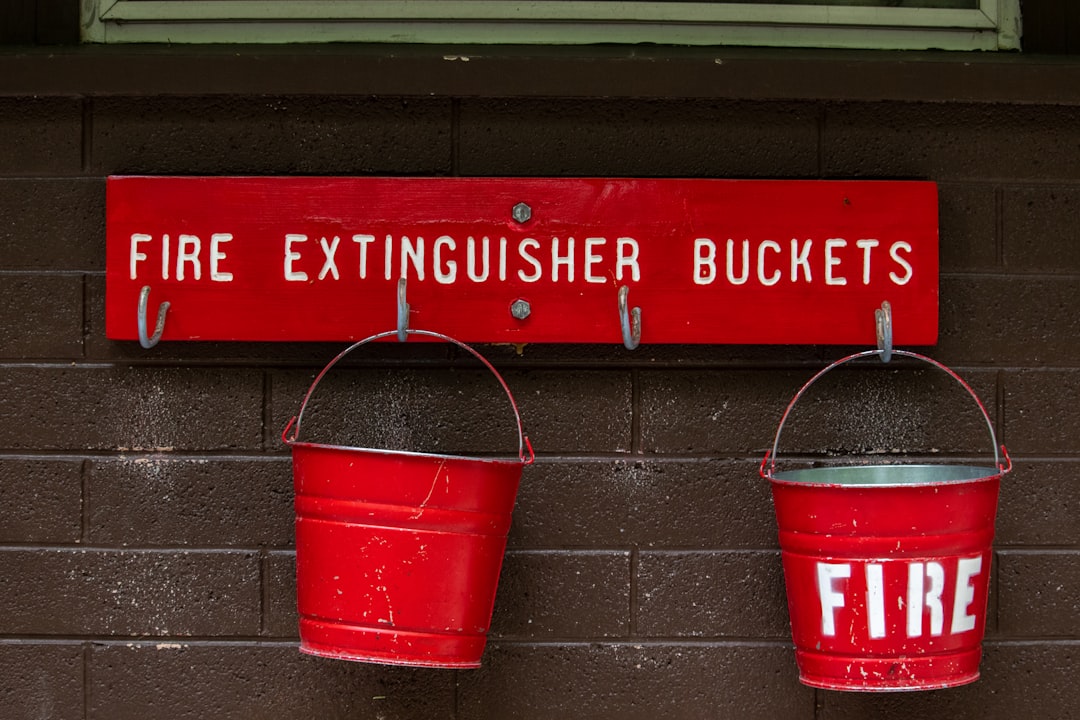
Stop treating your savings account like a black hole. The bucket method divides your money into separate savings accounts, each with a specific purpose: emergency fund, vacation, down payment, car replacement. This isn’t just psychology—it’s behavioral finance. When your ‘home down payment’ bucket has $15,000 in it, you see real progress. You’re less likely to raid it for impulse purchases. Open multiple high-yield savings accounts at no cost and watch your goals materialize faster than a single generic savings account ever could.
2. Adopt a Financial Diet—Think of It Like Calorie Counting for Money
A financial diet works exactly like a food diet: track everything for 30 days, identify spending leaks, and create sustainable habits. No shame, no judgment—just awareness. Use a simple spreadsheet or app to categorize every purchase. You’ll likely find $200-400/month in invisible spending (subscriptions you forgot about, delivery fees, duplicate services). Cut the waste, redirect that money to your buckets, and suddenly saving becomes effortless. The trick? Don’t go on a financial diet. Go on a permanent financial lifestyle change. This is especially relevant for those interested in money moves actually.
3. Understand 2026 Home Affordability Before You Start Looking
Q4 2026 affordability data shows that first-time home buyers need to earn roughly 25-30% more than they did five years ago to qualify for the same home. Mortgage rates, property taxes, and insurance have all shifted. Before you start house hunting, calculate your real buying power: get pre-approved, factor in 20% down payment savings, and add 3-5% for closing costs and inspections. Know your actual numbers instead of hoping something works out. Many first-time buyers overshoot their budget by 20%—don’t be one of them.
4. Build Your Emergency Fund First—Everything Else Comes Second
You can’t invest your way to financial security without a safety net. Before maxing out retirement accounts or chasing high returns, build 3-6 months of living expenses in your bucket savings accounts. One unexpected job loss or medical bill derails years of progress if you don’t have this foundation. This is non-negotiable, and it’s the fastest way to reduce financial stress. Once this is locked in, every other money move becomes easier and lower-risk. This is especially relevant for those interested in money moves actually.
For more information, see Investopedia.
5. Automate Your Money So You Never Have to Think About It Again
The best financial habits are the ones you don’t have to remember. Set up automatic transfers on payday: some to your emergency fund bucket, some to retirement, some to debt paydown. Automation removes willpower from the equation. You can’t spend money that’s already moved to a separate account. This single move—automating just 15-20% of your income into savings—is how ordinary people build extraordinary wealth over 10-20 years.
Ready to transform your finances? Start with one bucket account this week. One. That’s it. Then add your financial diet tracking next week. Small actions compound into massive results—but only if you actually start.
Explore more on Finance – Scope Digest and browse our Budgeting section.
Photo by Anthony Mucci on Unsplash
